
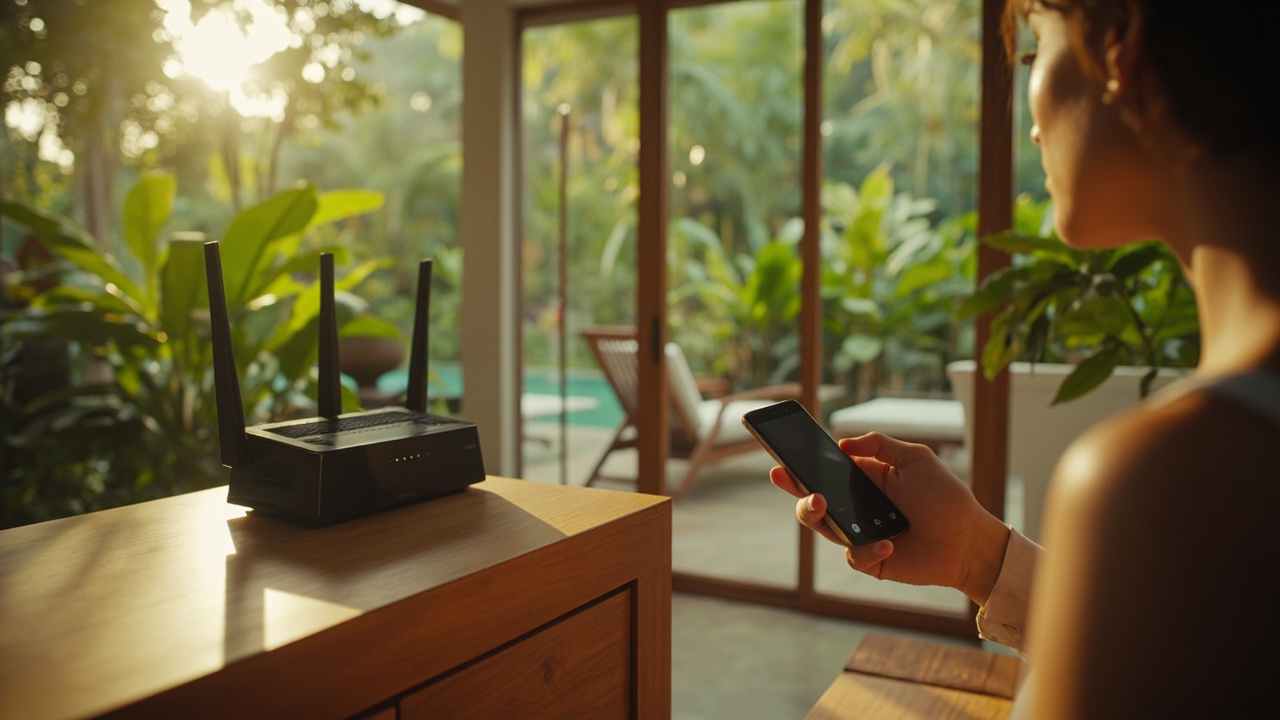
Smart alerts are a helpful second layer, but they don’t replace on-ground checks. Prioritize alerts that indicate real, potentially costly issues: sudden power loss affecting critical systems, unusual or sustained increases in water use that might signal a leak, unexpected temperature changes that could affect HVAC or refrigeration, and gate or door activity that doesn’t match the access plan. When such alerts occur, arrange a scheduled inspection promptly and document the findings with photos and notes. Ensure privacy protections and secure access to device data, and maintain a named local contact who can verify conditions and respond quickly. Use a simple escalation process: acknowledge, assess on site, remediate where possible, and re‑check. Keep a running log of alerts, responses and costs to support budgeting and future decisions. Combine technology with regular hands-on checks to build a practical, verifiable history of the property’s condition for you or your agent.
Public Property Q&A
Which Smart Alerts Should Prompt an on-Site Inspection Rather Than Wait for Routine Checks?

Useful next steps
Use this answer as a practical starting point. Current prices and availability should be confirmed with the relevant seller, developer or manager, while ownership, contracts, tax and inspection matters should be checked with qualified buyer-side professionals.
Related Topics
More Remote Ownership Topic Pages
Explore more topic pages connected to this answer.



Related Visual Examples
A short visual sample connected to this answer or its topic.
 property lifestyleGenerated editorial image for Remote-Owner Management: an overseas owner on a video call while a loc…
 outdoor livingGenerated editorial image for Beach-House Ownership: owners enjoying coffee on a private beach-house…
 gardenGenerated editorial image for Remote Work Lifestyle: a bright home-office terrace with laptop, relia…
 poolGenerated editorial image for Total Ownership Costs: a planning scene covering home, pool, garden, i…