
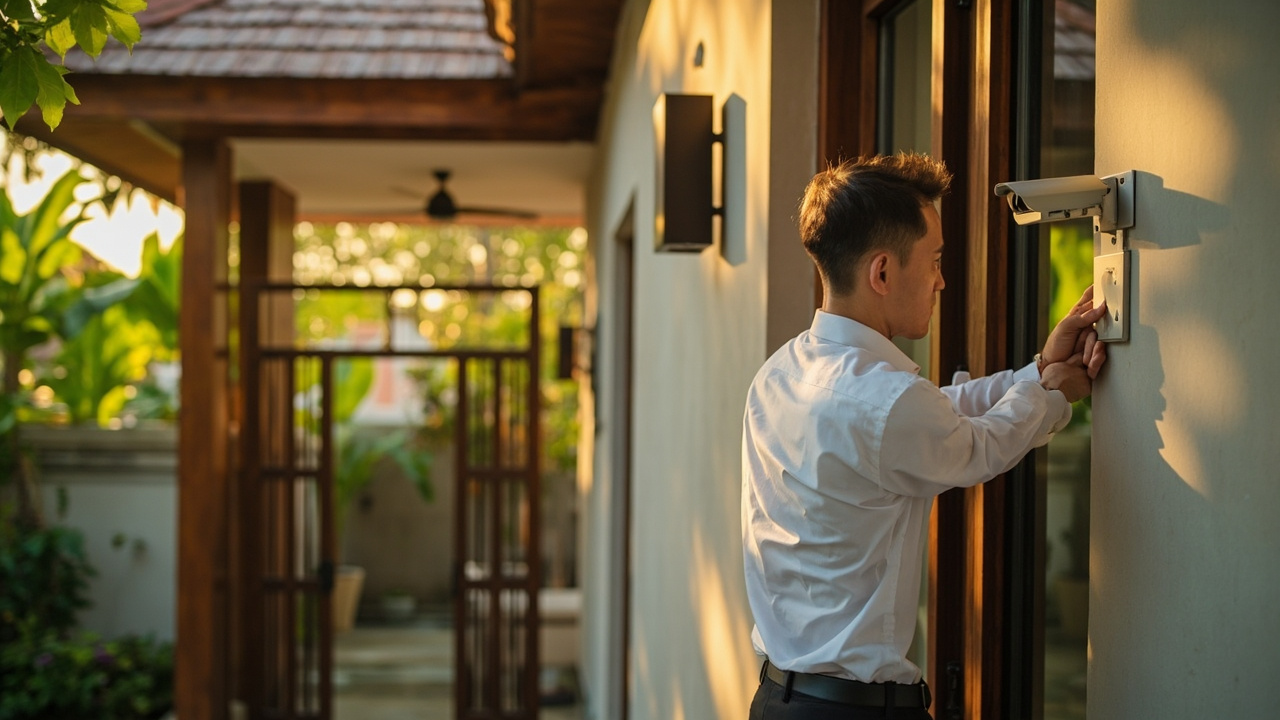
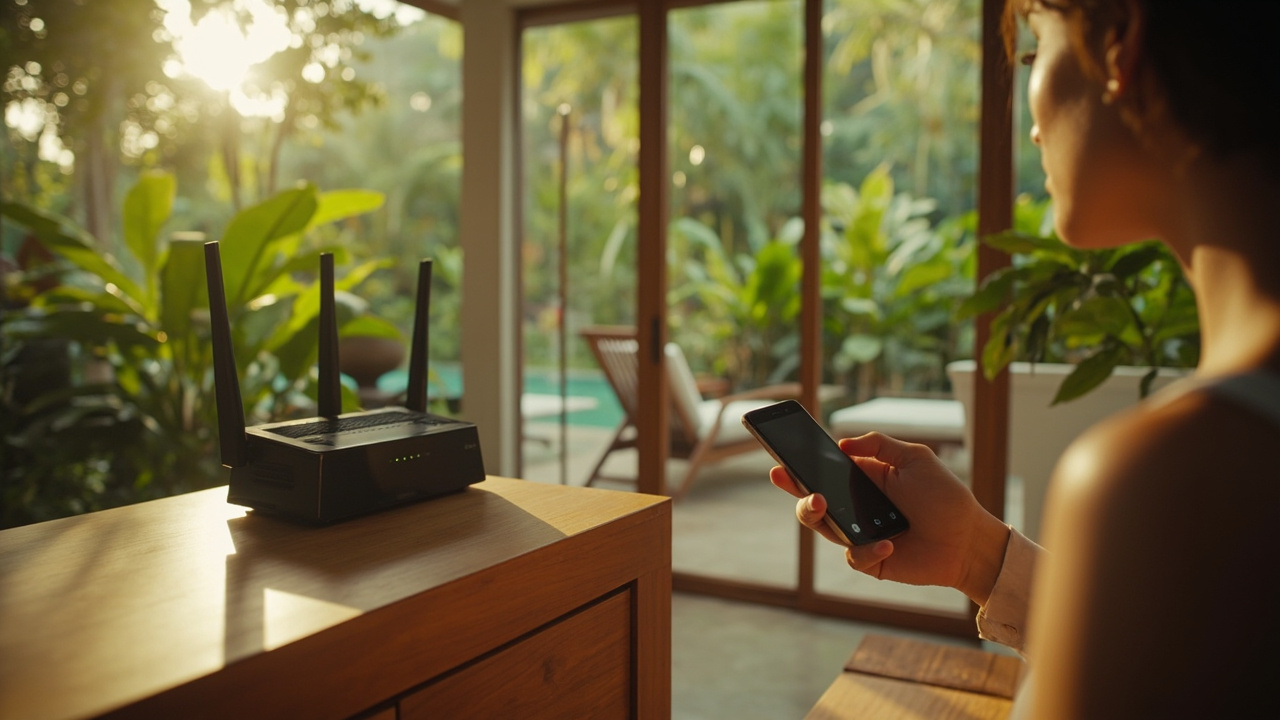
Smart devices can flag power loss, unusual water use, gate activity, temperature changes, camera status and certain equipment operating patterns. Use alerts as early warnings, not as proof of overall condition. They are useful for detecting obvious problems when you’re away, but they can miss roof leaks, drainage, pest issues and subtle wear. Pair alerts with scheduled inspections by a trusted local manager who can physically verify the property. Keep privacy and security in mind: use strong passwords, update software, and avoid leaving cloud services running with weak access. Require dated photos, simple reports and clear escalation steps in case an alert needs attention. The goal is to have a practical, layered approach: technology for early notices plus regular hands-on checks and documented evidence to support decisions and costs.
Public Property Q&A
What Should I Monitor or Trust from Smart Alerts Vs. on-Site Checks?
Useful next steps
Use this answer as a practical starting point. Current prices and availability should be confirmed with the relevant seller, developer or manager, while ownership, contracts, tax and inspection matters should be checked with qualified buyer-side professionals.
Related Topics
More Remote Ownership Topic Pages
Explore more topic pages connected to this answer.




Related Visual Examples
A short visual sample connected to this answer or its topic.
 property lifestyleGenerated editorial image for Remote-Owner Management: an overseas owner on a video call while a loc…
 outdoor livingGenerated editorial image for Beach-House Ownership: owners enjoying coffee on a private beach-house…
 gardenGenerated editorial image for Remote Work Lifestyle: a bright home-office terrace with laptop, relia…
 poolGenerated editorial image for Total Ownership Costs: a planning scene covering home, pool, garden, i…