
Start with a practical area-by-area brief you can apply to any shortlist. Beyond beach access and convenience, check how each area would fit your daily life: distance to work or schools, healthcare access, supermarkets, and the time you’ll spend driving in wet season. Consider the maintenance vibe: larger plots or inland locations may mean more garden and water-pump upkeep, while closer beachfront areas could demand more security or remodeling to cope with salt-laden air. Test actual routes from the property at typical weekday and weekend times to get a real sense of travel time and noise. Look at future development plans in the area and any zoning or road work that could affect access. Finally, compare total costs and practicality, not just features; the best fit balances convenience, space, maintenance tolerance and your planned use.
Public Property Q&A
What Should I Check First When Comparing Those Areas?


Useful next steps
Use this answer as a practical starting point. Current prices and availability should be confirmed with the relevant seller, developer or manager, while ownership, contracts, tax and inspection matters should be checked with qualified buyer-side professionals.
Related Topics
More Property Types & Buyer Planning Topic Pages
Explore more topic pages connected to this answer.




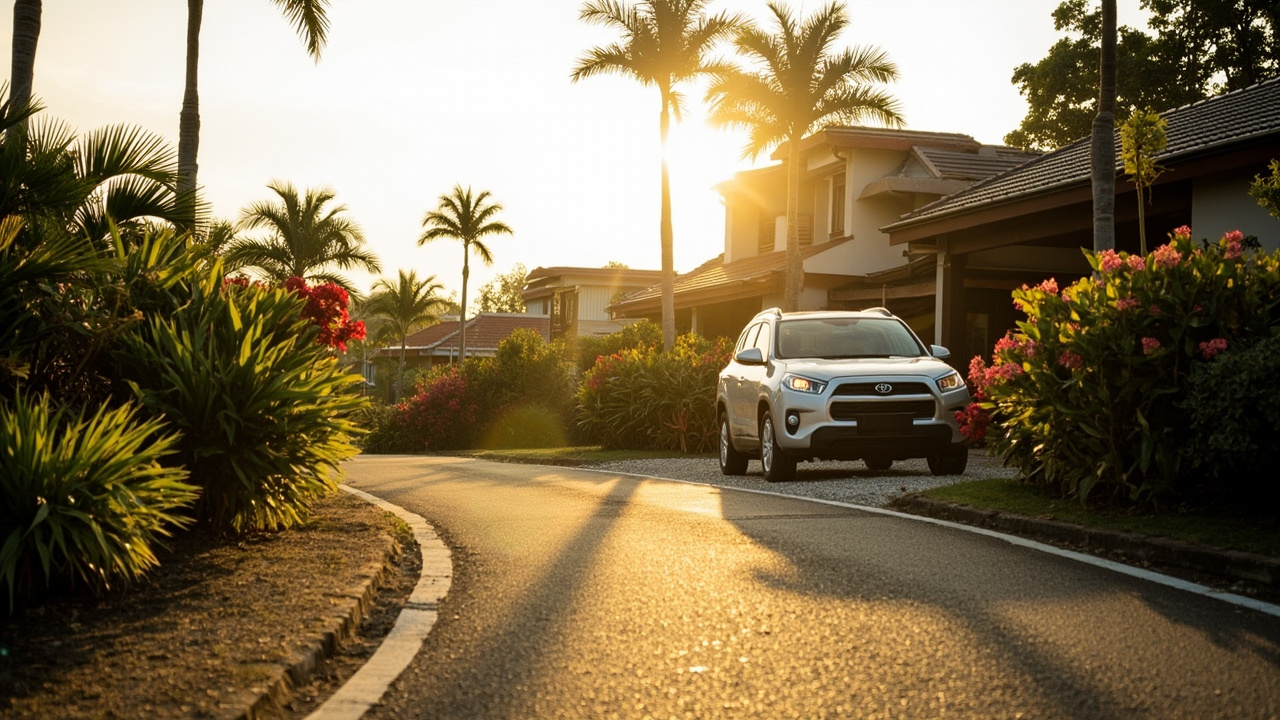
Related Visual Examples
A short visual sample connected to this answer or its topic.
 property guidanceGenerated editorial image for Property Floor-Plan Thinking: buyers and a designer discussing room fl…
 gardenGenerated editorial image for Resale Homes: a well-maintained lived-in villa with established garden…
 property guidanceGenerated editorial image for Renovation Properties: an older tropical home with clear potential, so…
 exteriorGenerated editorial image for Villas For Sale: a polished Khao Lak villa exterior prepared for a buy…