
Look for evidence that the view corridor is legally protected and that no planned development can block it. Start with the plan drawings and a line-of-sight check from the actual rooms you’d use, then request official planning maps showing height limits, setbacks and any view-related restrictions. Check the land title or deed for covenants, easements or notes about sea access and future development. Ask the seller or agent for recent photos taken from windows or terraces that demonstrate unobstructed viewing angles, and for a short statement from a local planner or surveyor about the current risk of future blocking. If possible, arrange an independent assessment of the view corridor and review any nearby projects or rezoning proposals that could affect visibility. Remember vegetation growth and new buildings can change the view over time. The practical choice is to pick a property whose usable sea view aligns with how you plan to live and maintain it, not just the longest-sounding view.
Public Property Q&A
What Evidence Should I Require to Confirm the Sea View Is Protected?


Continue the conversation
Useful next steps
Use this answer as a practical starting point. Current prices and availability should be confirmed with the relevant seller, developer or manager, while ownership, contracts, tax and inspection matters should be checked with qualified buyer-side professionals.
Related Topics
More Property Types & Buyer Planning Topic Pages
Explore more topic pages connected to this answer.


Related Visual Examples
A short visual sample connected to this answer or its topic.
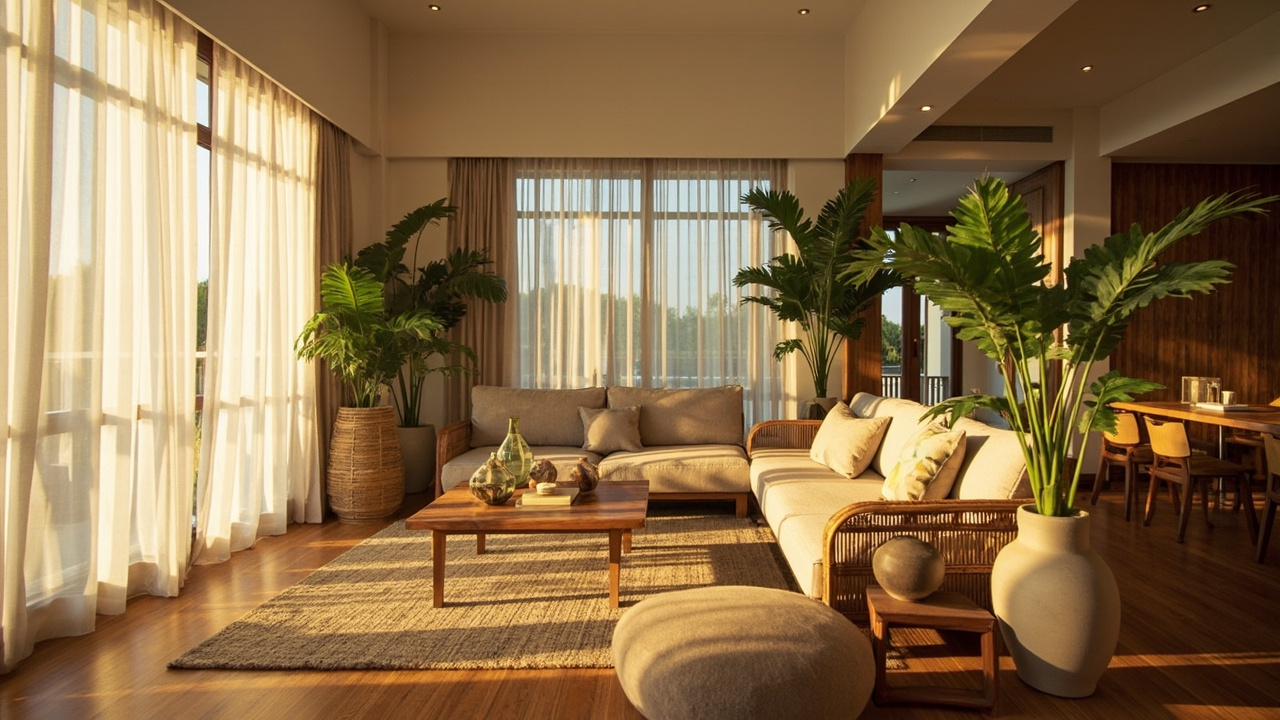
 property guidanceGenerated editorial image for Property Floor-Plan Thinking: buyers and a designer discussing room fl…
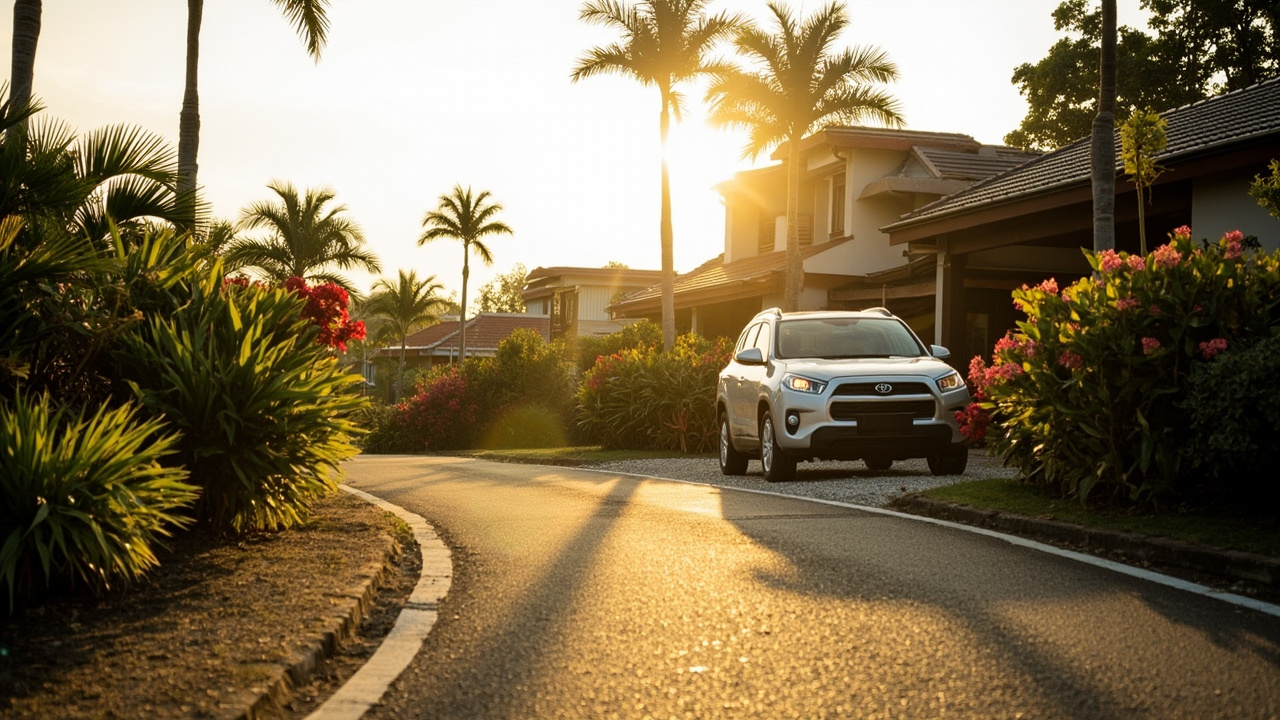
 gardenGenerated editorial image for Resale Homes: a well-maintained lived-in villa with established garden…
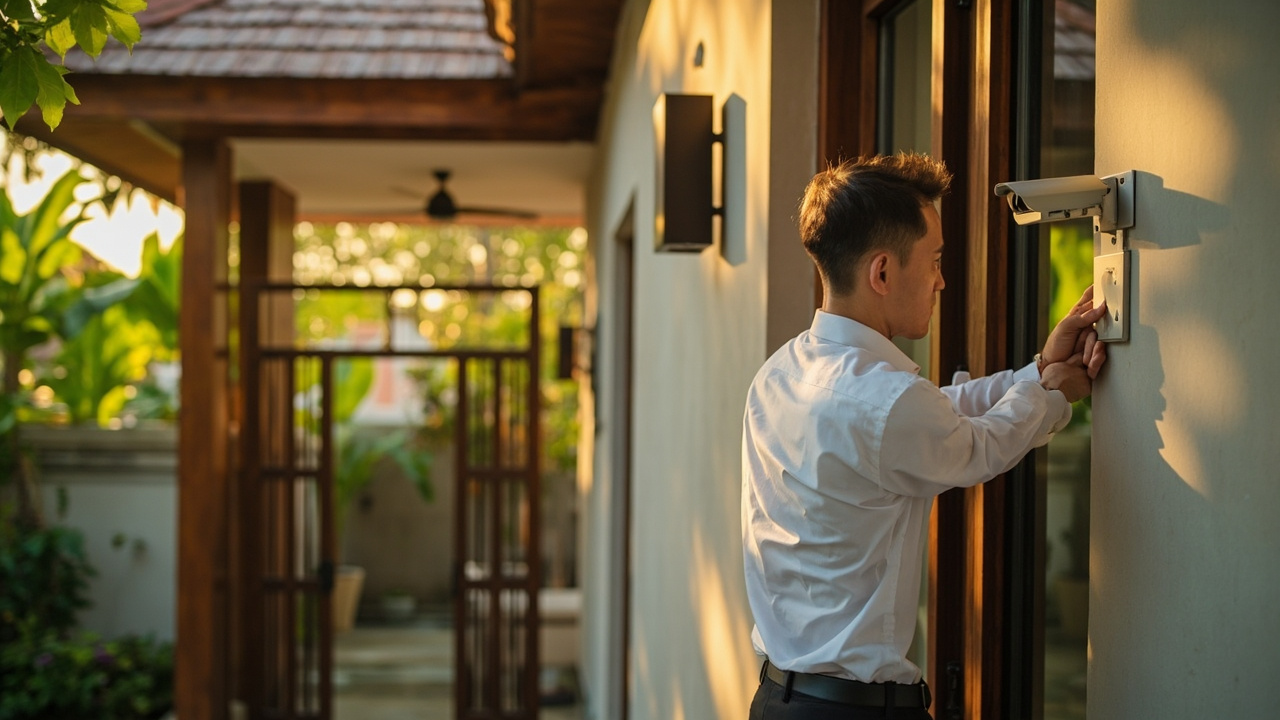
 property guidanceGenerated editorial image for Renovation Properties: an older tropical home with clear potential, so…
 exteriorGenerated editorial image for Villas For Sale: a polished Khao Lak villa exterior prepared for a buy…