
For property inspection and coastal risks, begin with the intended use and compare the evidence, running responsibilities and trade-offs that apply to the exact property. Relevant category details include: Inspection guidance for drainage, flooding, salt exposure, pools, gardens, shoreline conditions and other tropical-coastal risks. A useful assessment starts with the intended use: full-time living, retirement, holidays, rental, renovation or long-term investment. The same feature can be an advantage for one buyer and an ongoing cost or management burden for another. Inspect the shell and tiles, water loss, filtration, pumps, electrical safety, earthing, lighting, overflow, drainage, deck slip resistance and child safety. Ask for maintenance records, chemical costs and equipment age. A pool may look excellent after recent treatment while hiding leaks or failing equipment, so use a pool specialist where the condition is uncertain. Apply the checks to the actual property, intended use and written responsibilities rather than relying on the category label alone. Create a written checklist for the exact property, compare evidence rather than marketing language, and keep legal, tax, structural and financial checks with appropriately qualified independent professionals.
Public Property Q&A
How Should First-Time Buyers Organise Their Research into Property Inspection & Coastal Risks?


Useful next steps
Use this answer as a practical starting point. Current prices and availability should be confirmed with the relevant seller, developer or manager, while ownership, contracts, tax and inspection matters should be checked with qualified buyer-side professionals.
Related Topics
More Property Inspection & Coastal Risks Topic Pages
Explore more topic pages connected to this answer.


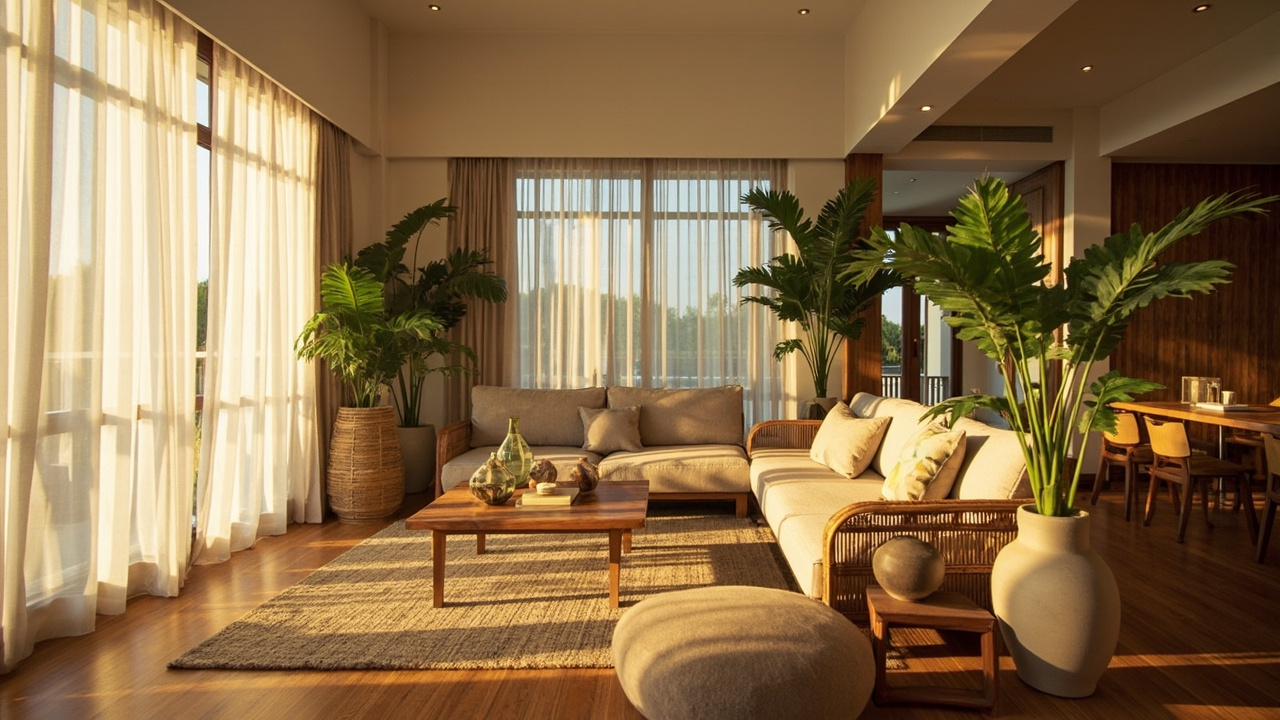


Related Visual Examples
A short visual sample connected to this answer or its topic.
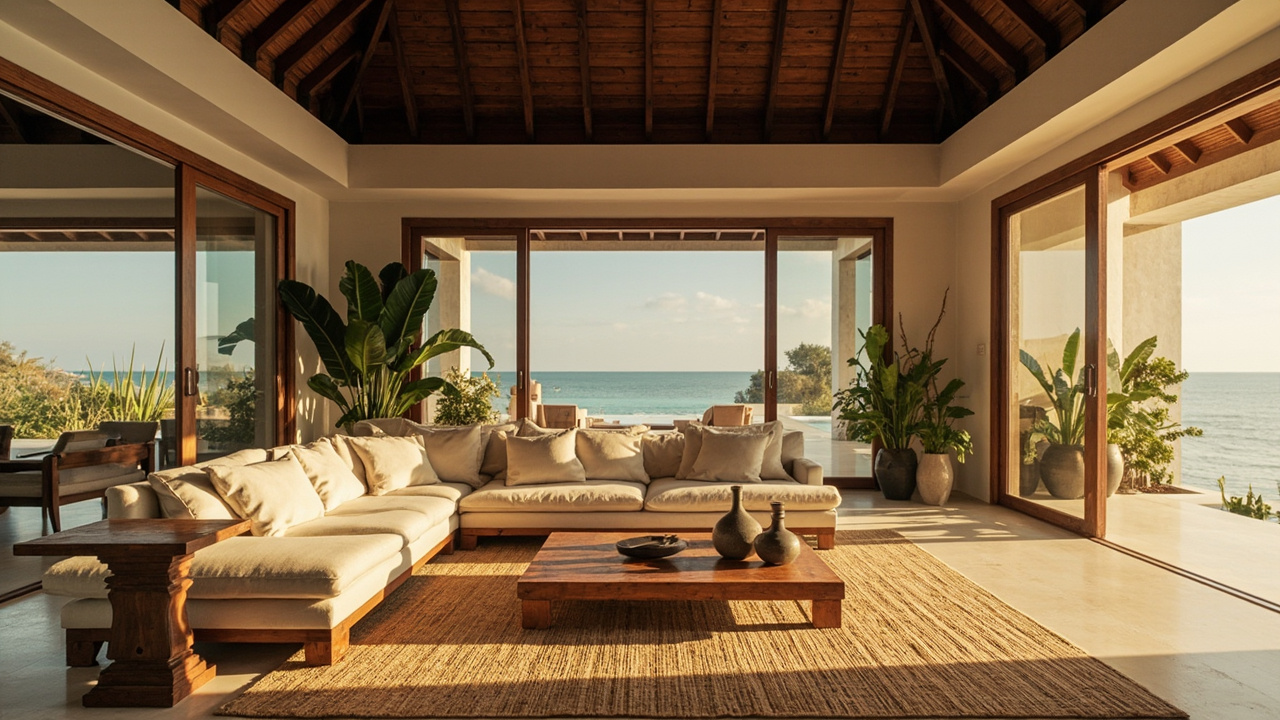 living roomGenerated editorial image for Living Rooms: a comfortable modern tropical living room with natural t…
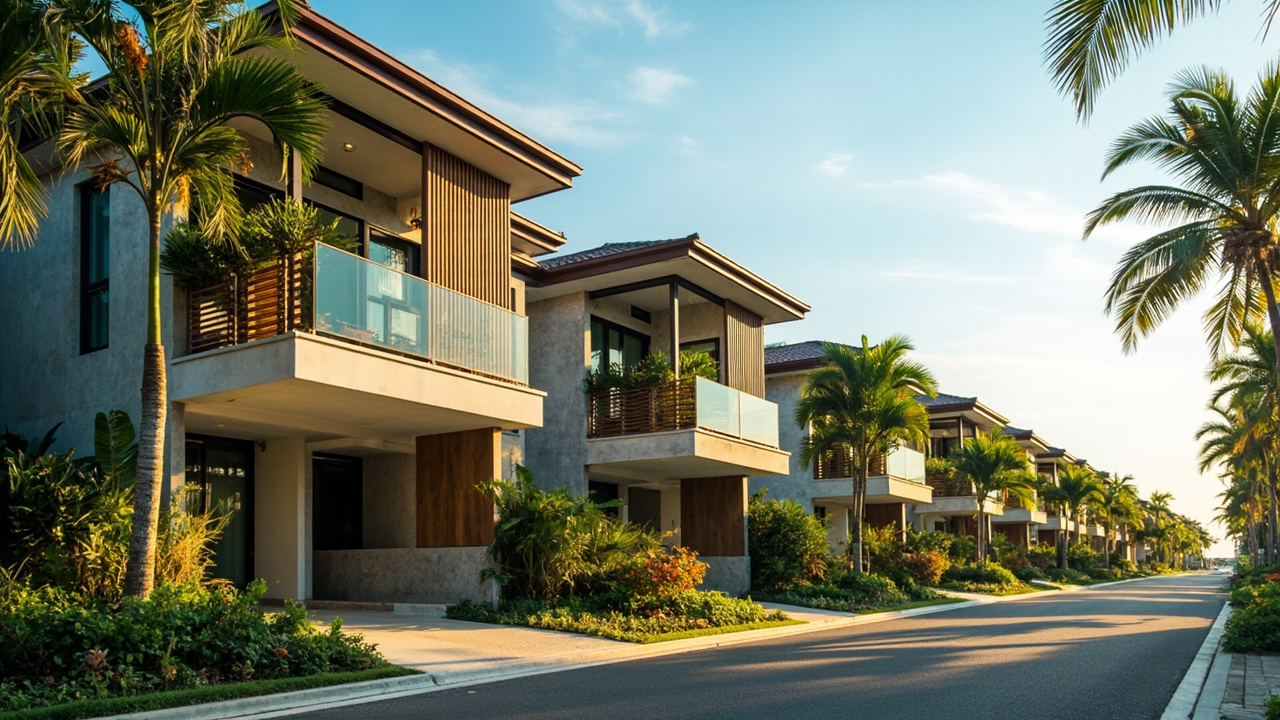 coastal lifestyleGenerated editorial image for Townhouses: a neat row of modern tropical townhouses near Khao Lak tow…
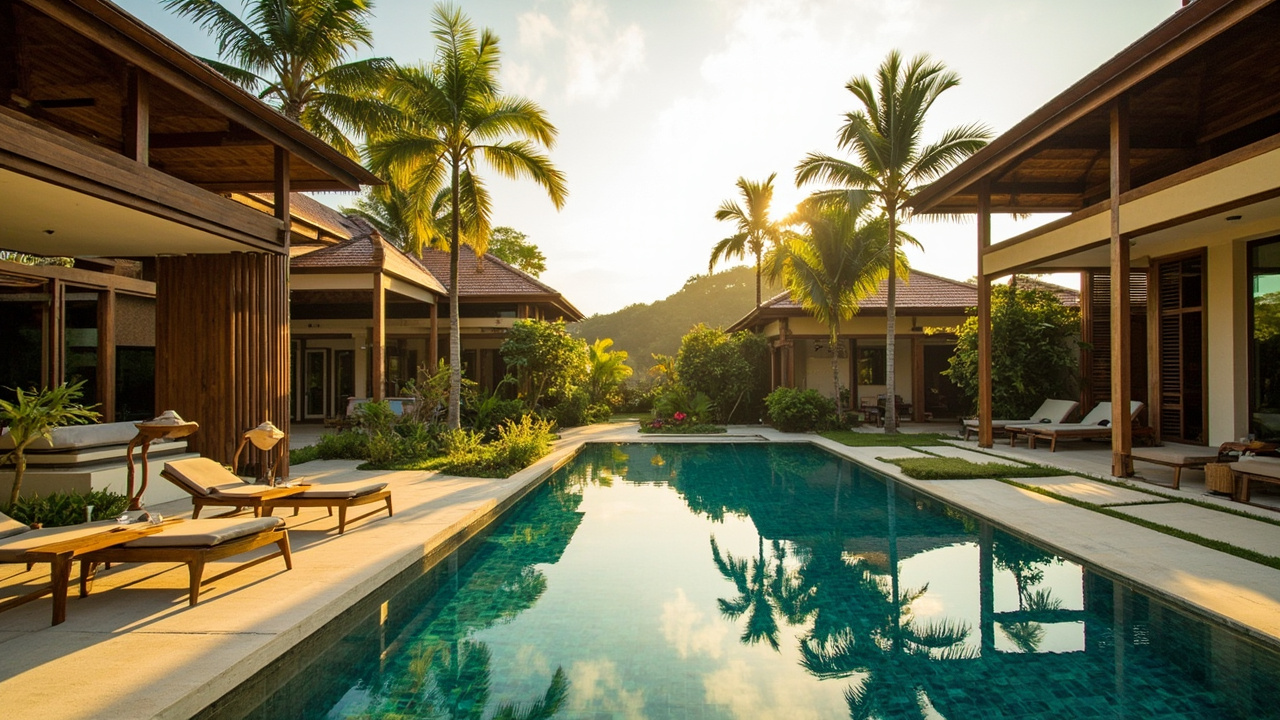 bedroomGenerated editorial image for Five-Bedroom Luxury Villas: a large refined Khao Lak estate with guest…
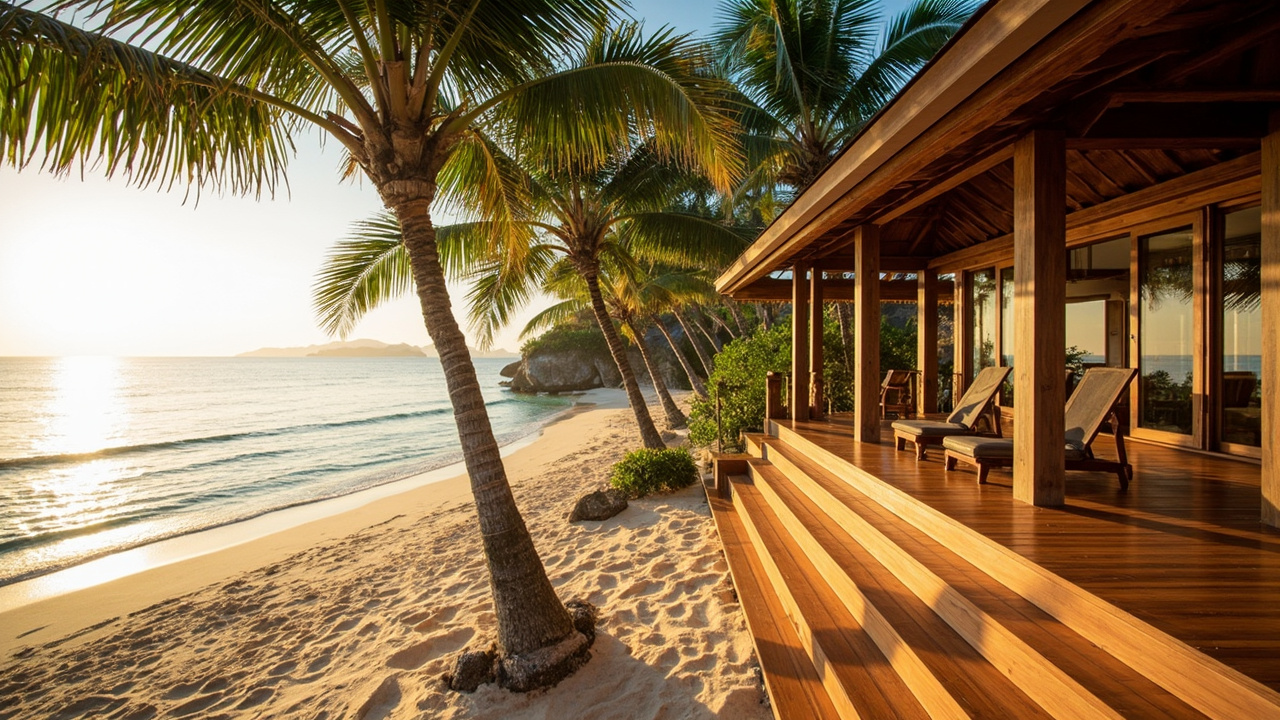 coastal lifestyleGenerated editorial image for Beach Houses: a refined coastal house with breezy veranda, palms and c…