
Beyond what you can see during a single visit, ask for a documented maintenance history for both the garden and the pond. Expensive ongoing costs tend to show up as regular, unavoidable work rather than rare repairs. Look for signs such as frequent lawn irrigation needs, regular fertiliser and pest-control visits, repeated pruning of mature trees or ornamental plants, and repeated replacements of pond pumps, filters, or lighting. Check whether the pond requires water treatment, aeration equipment, or seasonal cleaning that isn’t included in a simple service call. Review previous invoices or a current maintenance schedule to estimate annual spend, and compare that to the size and complexity of the landscaping. Consider labour hours, irrigation water usage, electricity for pumps, and potential seasonal surcharges in coastal climates. A well-designed garden may still demand significant time and money, especially if the owner is away for extended periods. A dry-season view remains only a snapshot; wet-season maintenance costs can differ markedly.
Public Property Q&A
What Signs Indicate Expensive Ongoing Maintenance for Gardens & Ponds?

Useful next steps
Use this answer as a practical starting point. Current prices and availability should be confirmed with the relevant seller, developer or manager, while ownership, contracts, tax and inspection matters should be checked with qualified buyer-side professionals.
Related Topics
More Property Inspection & Coastal Risks Topic Pages
Explore more topic pages connected to this answer.



Related Visual Examples
A short visual sample connected to this answer or its topic.
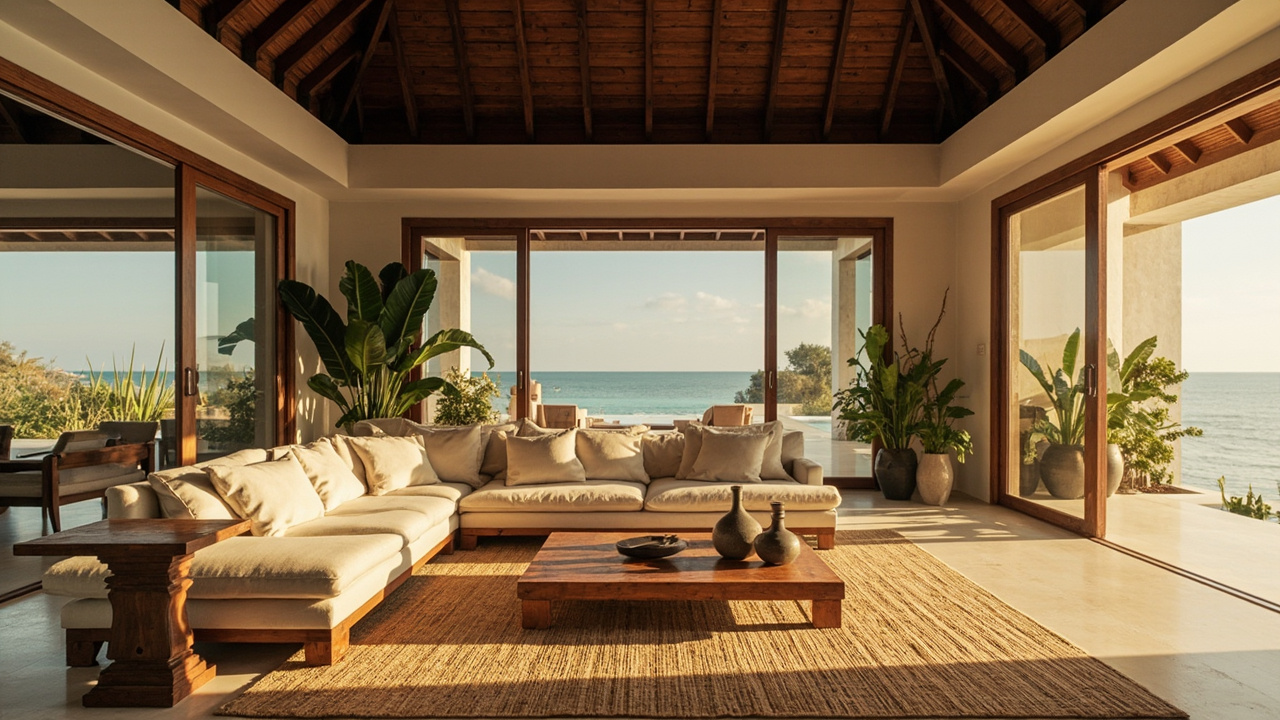 living roomGenerated editorial image for Living Rooms: a comfortable modern tropical living room with natural t…
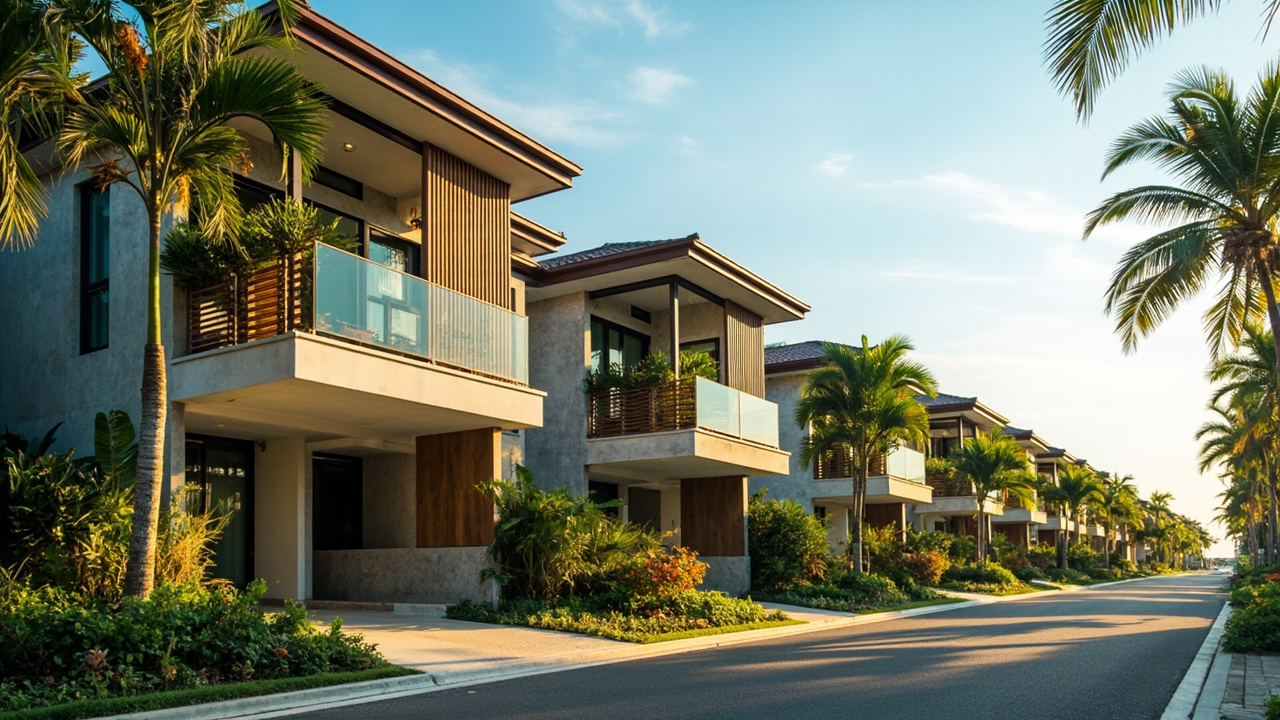 coastal lifestyleGenerated editorial image for Townhouses: a neat row of modern tropical townhouses near Khao Lak tow…
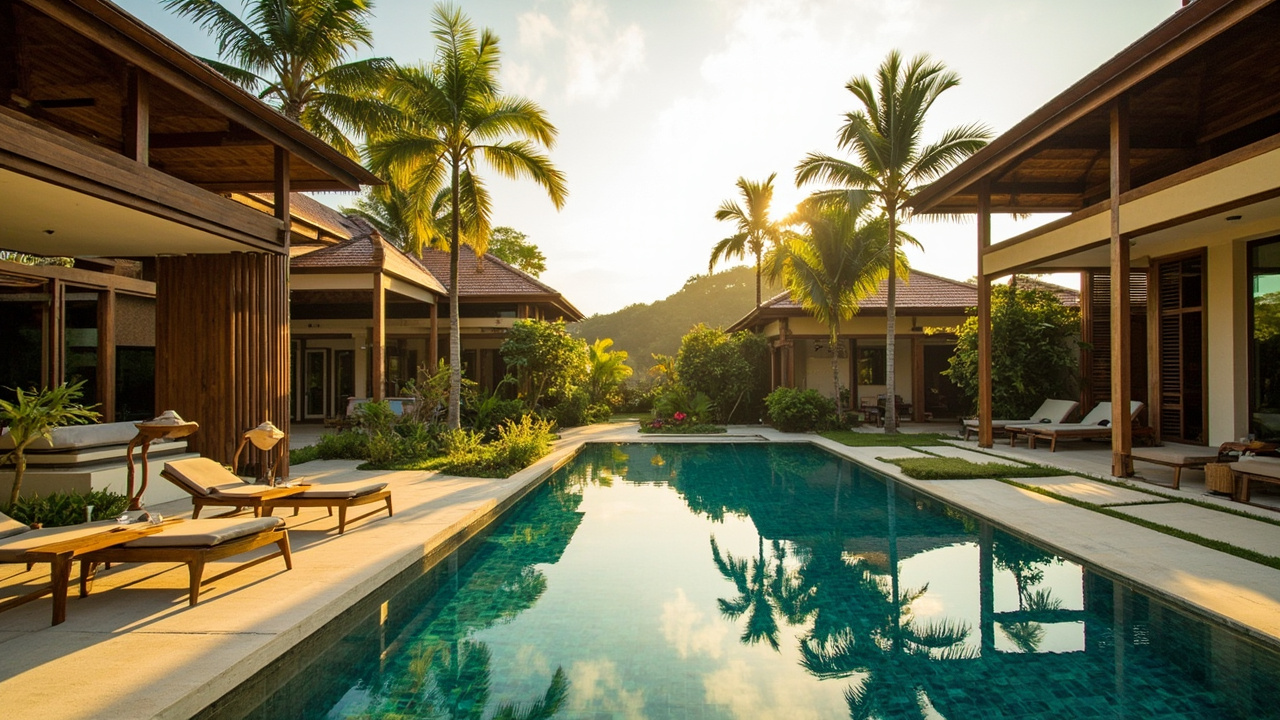 bedroomGenerated editorial image for Five-Bedroom Luxury Villas: a large refined Khao Lak estate with guest…
 coastal lifestyleGenerated editorial image for Beach Houses: a refined coastal house with breezy veranda, palms and c…