
Wet-season conditions can change quickly in Khao Lak, so a side-by-side comparison helps avoid surprises. Start by checking how water actually flows around the property in heavy rain: how high does surface water rise, where does it pond, and which routes still flood? Compare ground elevation relative to roads, driveways and retaining walls. Look at drainage performance: Are there visible drains, culverts or swales that carry water away, and do they remain clear after rain? Consider coastal risks separately from river or surface-water flooding, since each type has different causes and responses. Check insurance requirements—some policies limit cover if a property sits in a flood-prone zone or near watercourses—and confirm evacuation plans for heavy storms and rising water. Talk to multiple neighbours about past events, and visit after a rainstorm or during the wet-season if possible. A dry-season view is useful but not definitive; local clues, weather records and the water path around the site will help you ask sharper questions during due diligence. If you’re unsure, bring a local flood-risk specialist into your buyer checks.
Public Property Q&A
What Should I Compare Between Wet-Season & Dry-Season Flood Risk?

Useful next steps
Use this answer as a practical starting point. Current prices and availability should be confirmed with the relevant seller, developer or manager, while ownership, contracts, tax and inspection matters should be checked with qualified buyer-side professionals.
Related Topics
More Property Inspection & Coastal Risks Topic Pages
Explore more topic pages connected to this answer.




Related Visual Examples
A short visual sample connected to this answer or its topic.
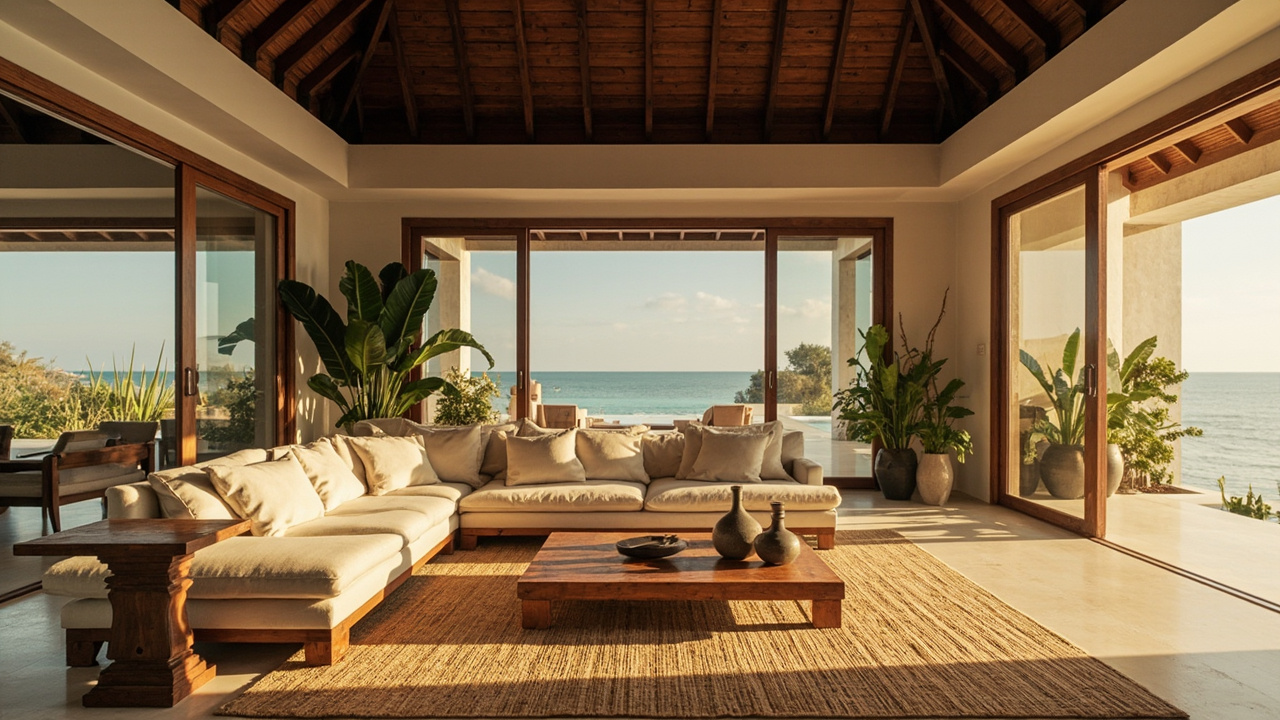 living roomGenerated editorial image for Living Rooms: a comfortable modern tropical living room with natural t…
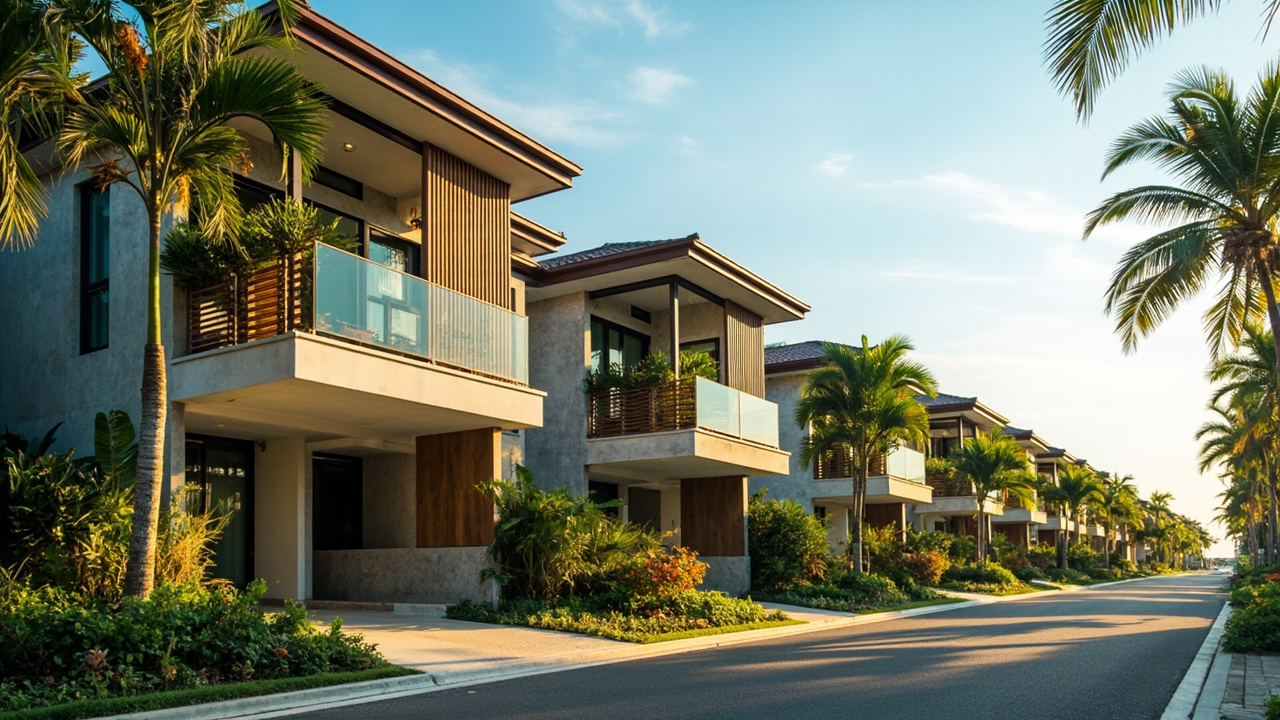 coastal lifestyleGenerated editorial image for Townhouses: a neat row of modern tropical townhouses near Khao Lak tow…
 bedroomGenerated editorial image for Five-Bedroom Luxury Villas: a large refined Khao Lak estate with guest…
 coastal lifestyleGenerated editorial image for Beach Houses: a refined coastal house with breezy veranda, palms and c…