
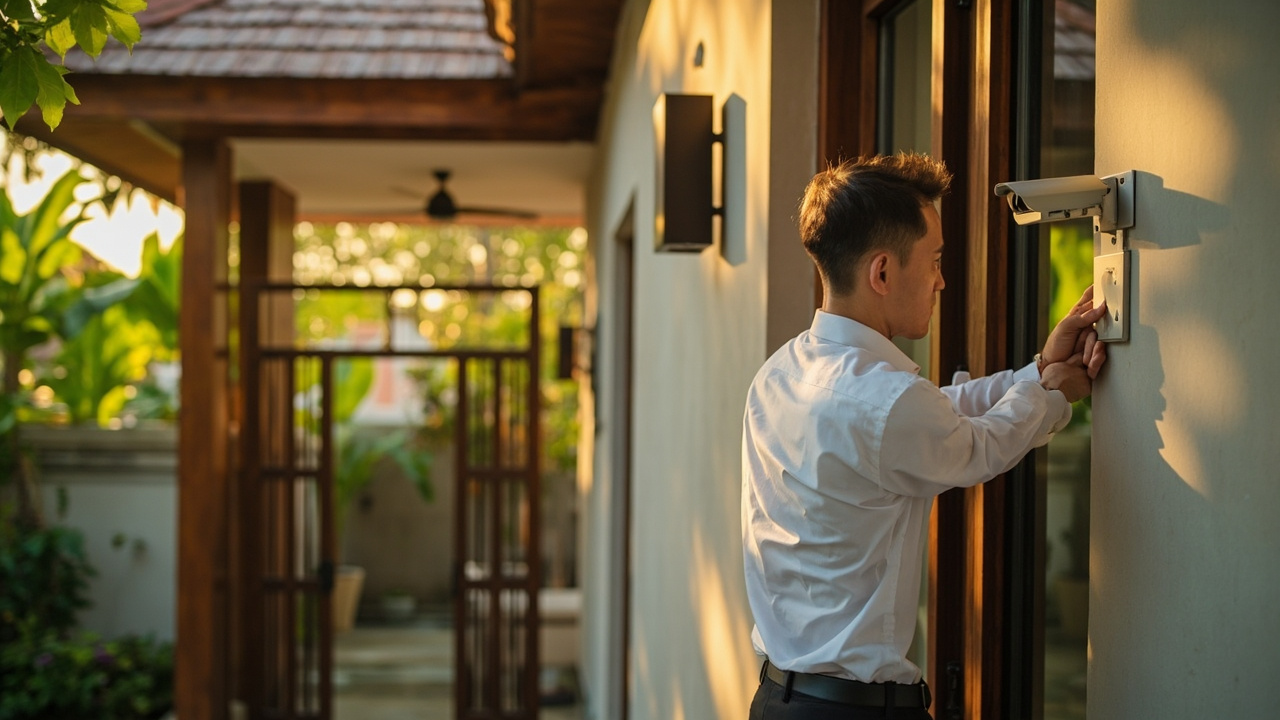
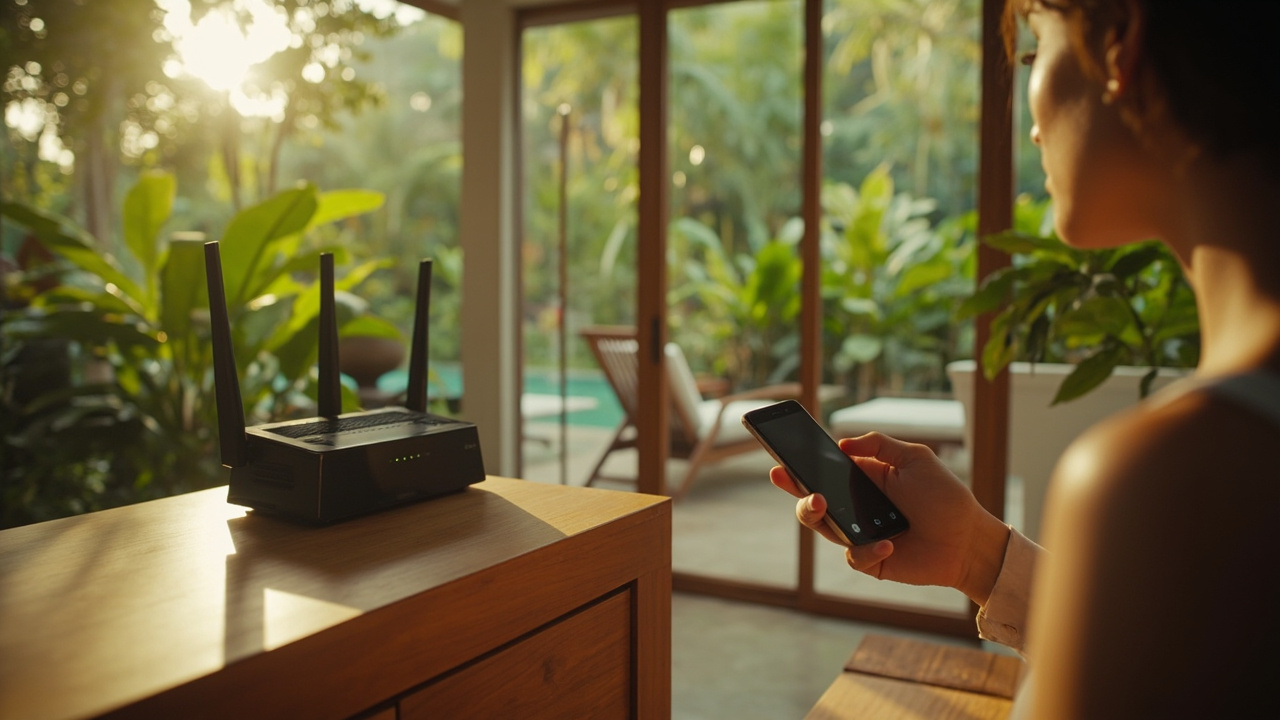
Essentially, start with a small, practical setup to gain meaningful oversight. Typical minimums are power outage alerts, water-usage spikes, gate/door access status, and indoor temperature monitoring. Add a basic camera or door sensor for entry visibility, plus a simple automation hub to support remote checks for routine tasks like turning on air conditioning or irrigation. Avoid locking yourself into a single cloud service; prefer devices that offer local logging and clear escalation paths via a trusted local manager. Pair alerts with a regular inspection cadence—monthly photos, seasonal video check-ins, and a written maintenance log. Set strong passwords, enable firmware updates, and limit data-sharing to authorized accounts. The aim is to get early warnings when you’re away while continuing to rely on hands-on checks and written records to verify condition and costs.
Public Property Q&A
What Is the Minimum Smart-Device Setup for Meaningful Oversight?
Useful next steps
Use this answer as a practical starting point. Current prices and availability should be confirmed with the relevant seller, developer or manager, while ownership, contracts, tax and inspection matters should be checked with qualified buyer-side professionals.
Related Topics
More Remote Ownership Topic Pages
Explore more topic pages connected to this answer.



Related Visual Examples
A short visual sample connected to this answer or its topic.
 property lifestyleGenerated editorial image for Remote-Owner Management: an overseas owner on a video call while a loc…
 outdoor livingGenerated editorial image for Beach-House Ownership: owners enjoying coffee on a private beach-house…
 gardenGenerated editorial image for Remote Work Lifestyle: a bright home-office terrace with laptop, relia…
 poolGenerated editorial image for Total Ownership Costs: a planning scene covering home, pool, garden, i…