
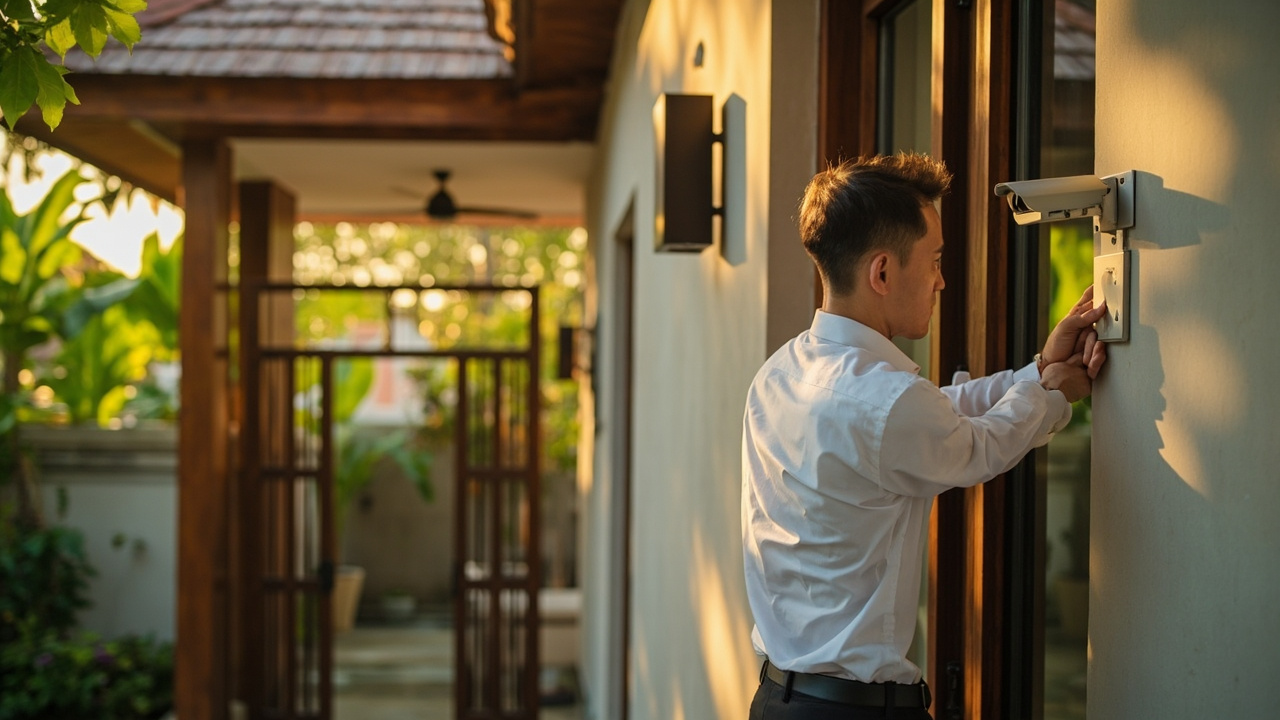
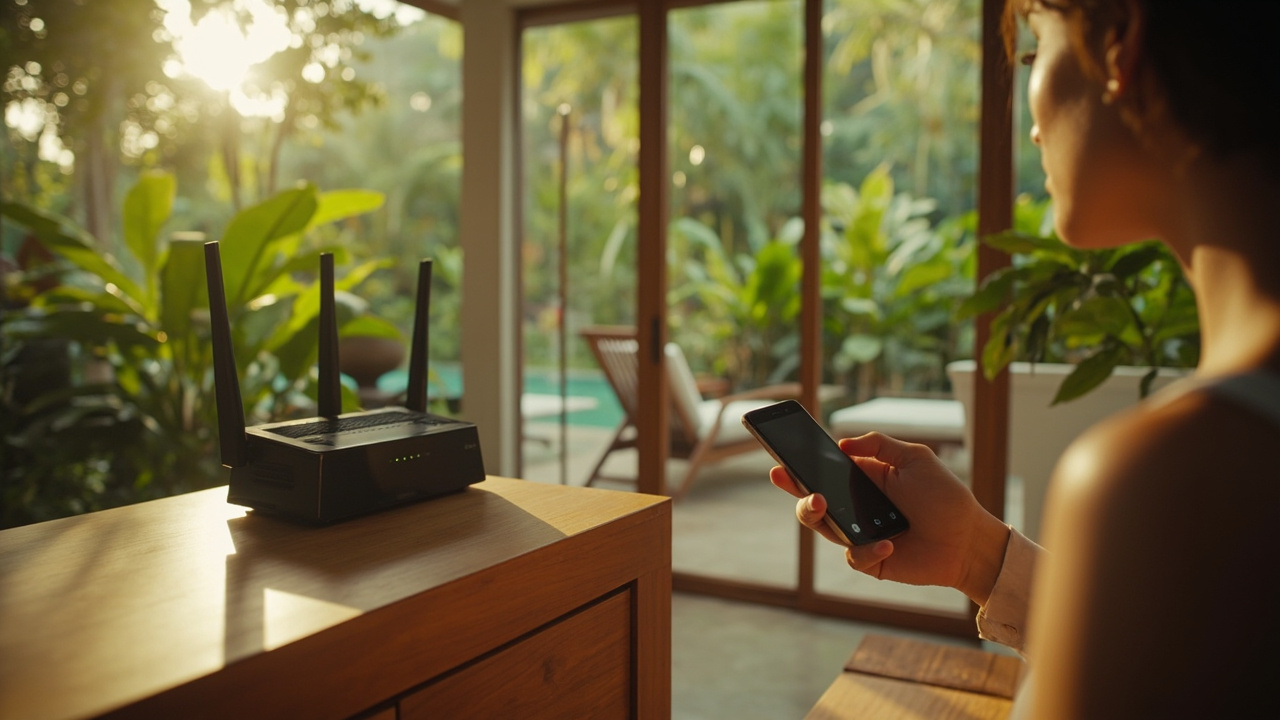
Cameras and sensors are a helpful extra layer, but they should not replace regular inspections. Ask for dated reports or screenshots of alerts, showing when they occurred, what device triggered them, and what action was taken. Require simple summaries and clear escalation steps in case something needs attention, with a named local contact who can verify conditions on the ground. Ensure privacy protections and secure access to device data, and keep manual access arrangements unchanged so a trusted local manager can perform physical checks when you’re away. Use the technology to flag obvious problems—power loss, unusual water use, temperature shifts, or gate activity—and then rely on scheduled inspections with photos and notes to confirm the property’s condition. This layered approach helps you build a documented history of maintenance and costs.
Public Property Q&A
What Format of Evidence from Smart Alerts Should I Require for Inspections?
Useful next steps
Use this answer as a practical starting point. Current prices and availability should be confirmed with the relevant seller, developer or manager, while ownership, contracts, tax and inspection matters should be checked with qualified buyer-side professionals.
Related Topics
More Remote Ownership Topic Pages
Explore more topic pages connected to this answer.




Related Visual Examples
A short visual sample connected to this answer or its topic.
 property lifestyleGenerated editorial image for Remote-Owner Management: an overseas owner on a video call while a loc…
 outdoor livingGenerated editorial image for Beach-House Ownership: owners enjoying coffee on a private beach-house…
 gardenGenerated editorial image for Remote Work Lifestyle: a bright home-office terrace with laptop, relia…
 poolGenerated editorial image for Total Ownership Costs: a planning scene covering home, pool, garden, i…