
During the wet season, you’ll want additional checks and changes to your standard departure plan. Start from your usual departure checklist and add steps to reduce rain-related and humidity risks. Key adjustments include: double-checking water isolation at main lines and ensuring gutters, downpipes and drainage are clear to prevent leaks and standing water; adjusting dehumidification and climate controls to prevent mold while away (consider a reasonable temperature/humidity setting and a schedule that avoids running systems continuously); unplug nonessential devices, use surge protection, and safeguard outlets against storm surges; seal openings, maintain screens, and arrange regular pest checks since vegetation is lush and pests can be more active; secure outdoor spaces by draining ponds, checking pool equipment, and securing furniture to prevent wind damage; provide your trusted local manager with clear spending limits and escalation steps for storms, plus a list of preferred service providers and emergency numbers; schedule dated photo inspections reflecting wet-season conditions to document the property’s status. This approach helps keep the home dry, reduces mold risk and ensures timely responses to weather events while you’re away.
Public Property Q&A
How Should I Adapt the Departure Checklist for Wet-Season Storms?
Useful next steps
Use this answer as a practical starting point. Current prices and availability should be confirmed with the relevant seller, developer or manager, while ownership, contracts, tax and inspection matters should be checked with qualified buyer-side professionals.
Related Topics
More Remote Ownership Topic Pages
Explore more topic pages connected to this answer.

Related Visual Examples
A short visual sample connected to this answer or its topic.
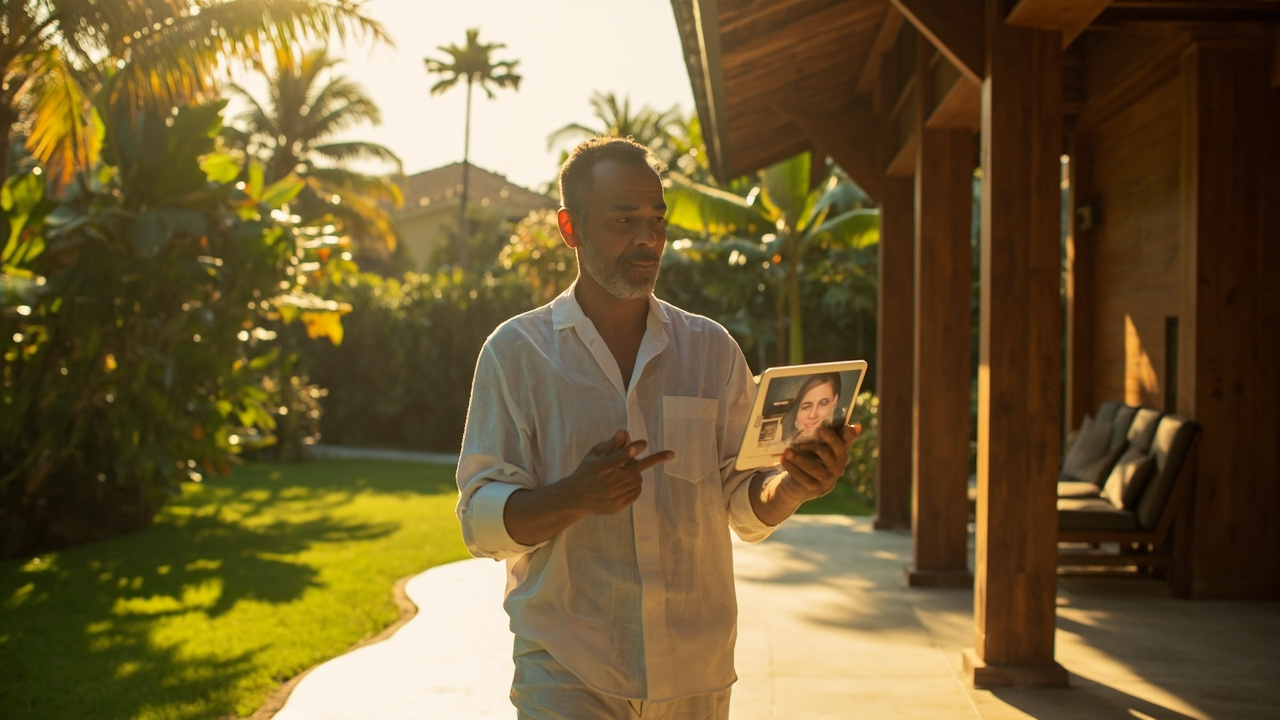 property lifestyleGenerated editorial image for Remote-Owner Management: an overseas owner on a video call while a loc…
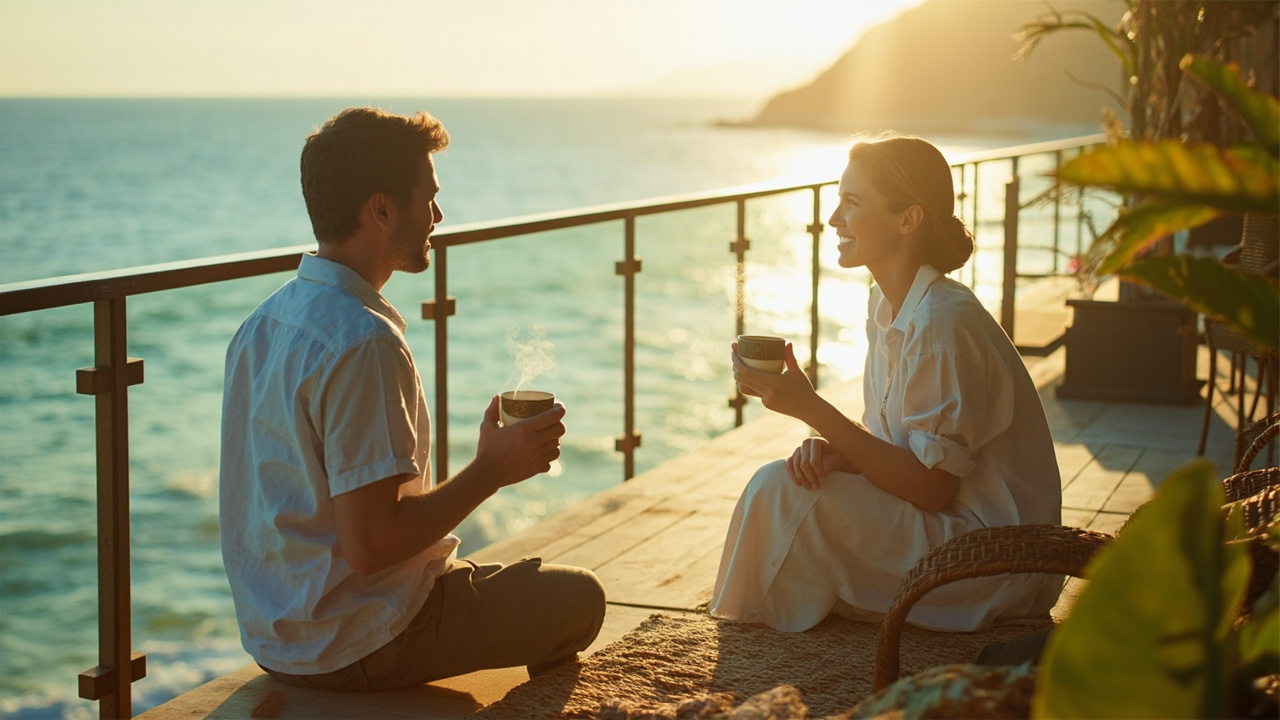 outdoor livingGenerated editorial image for Beach-House Ownership: owners enjoying coffee on a private beach-house…
 gardenGenerated editorial image for Remote Work Lifestyle: a bright home-office terrace with laptop, relia…
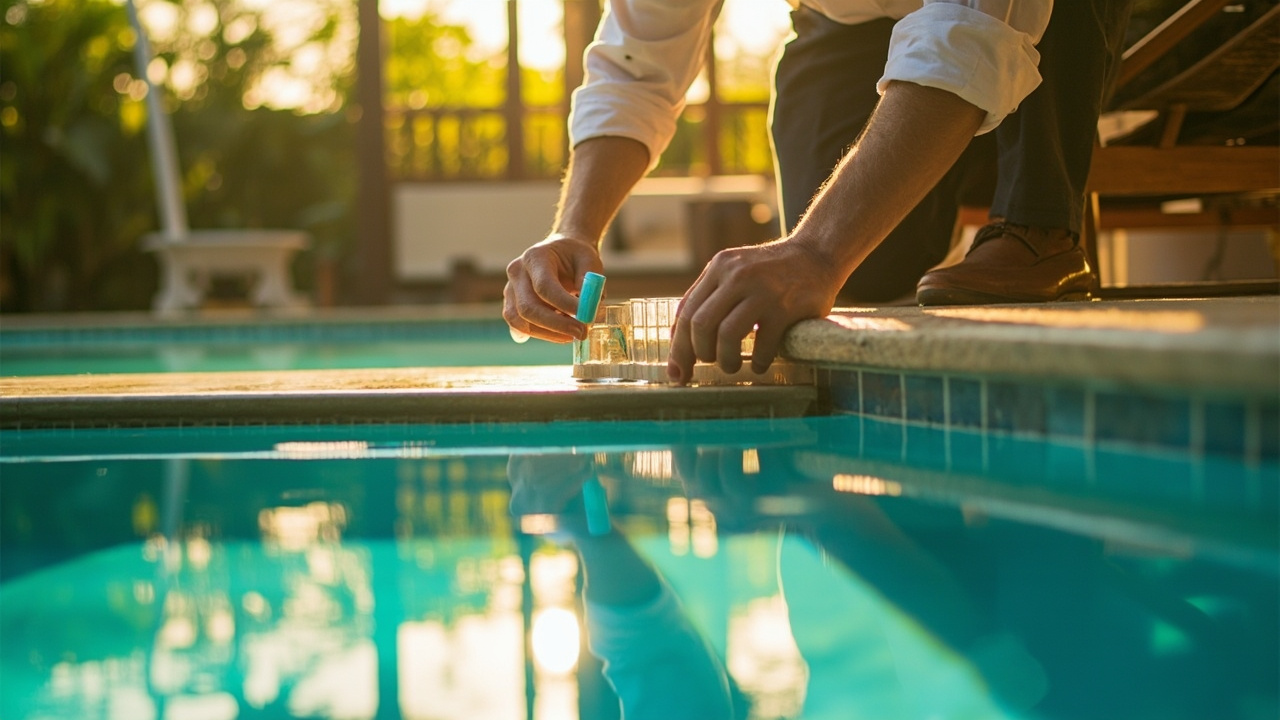
 poolGenerated editorial image for Total Ownership Costs: a planning scene covering home, pool, garden, i…