
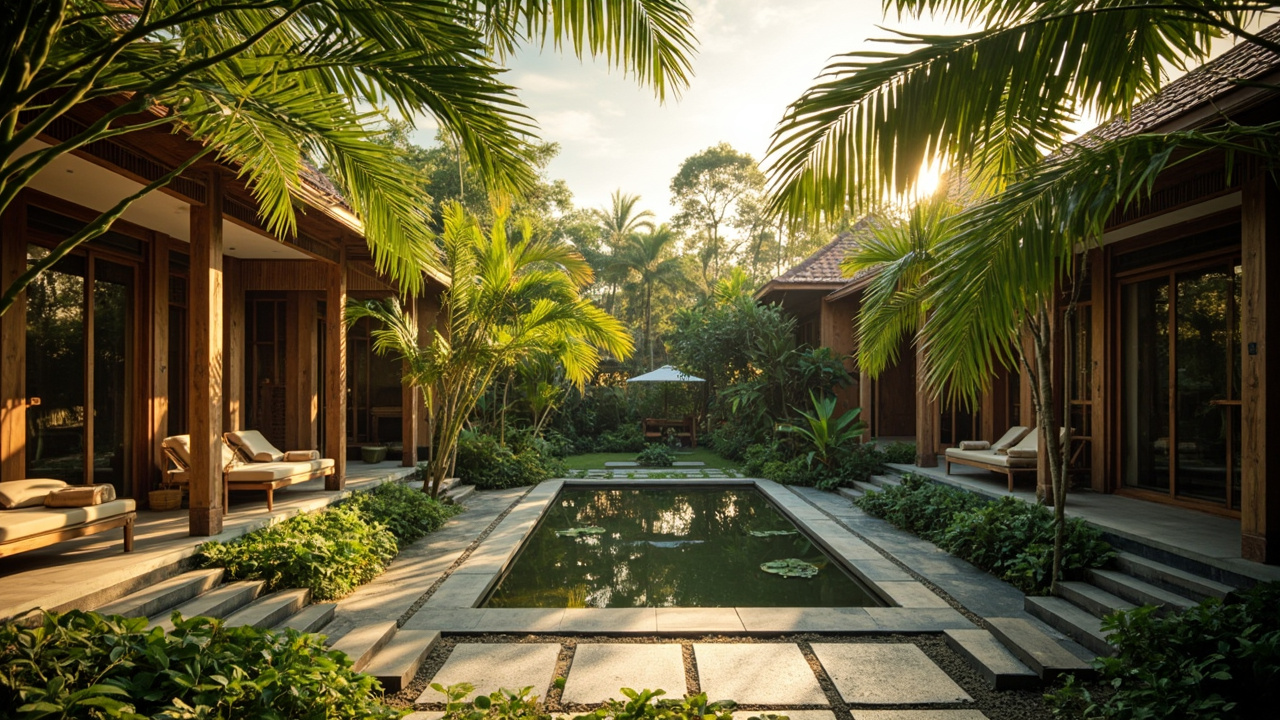
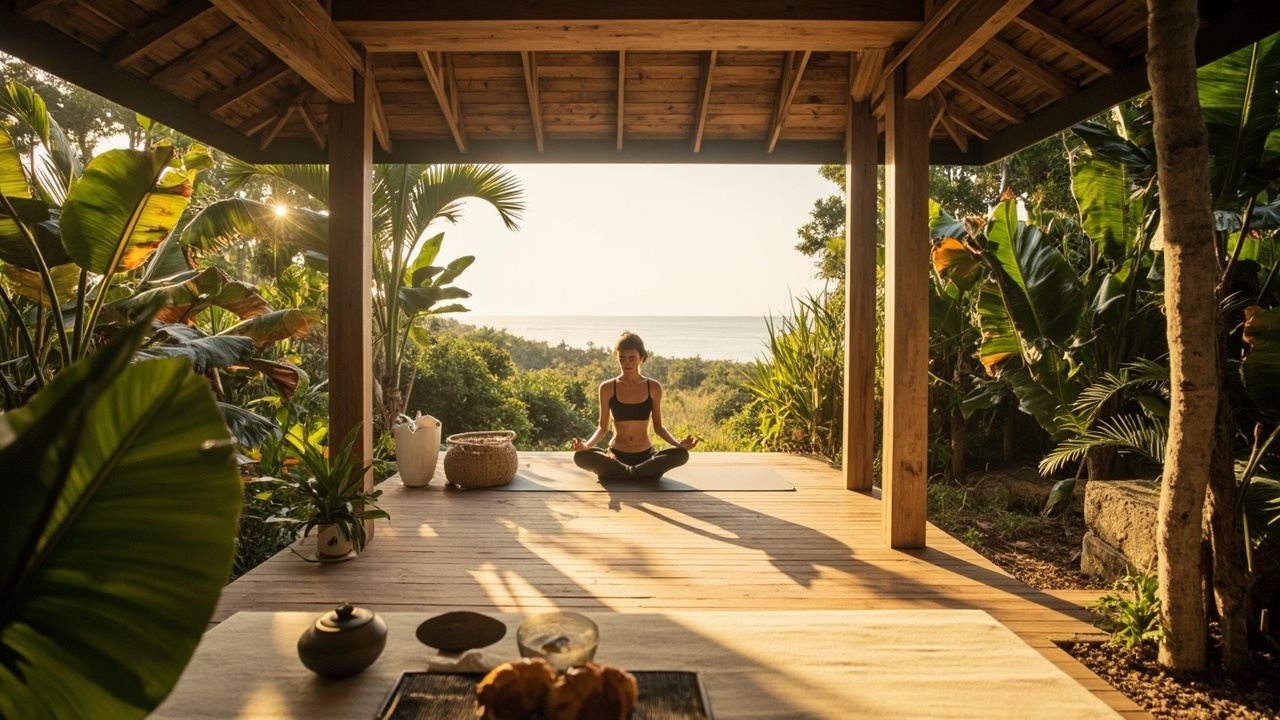
Look beyond a wellness label and assess the home as it would feel during an ordinary day. Check how much natural light reaches the rooms, whether windows and doors allow useful ventilation, where shade falls on outdoor areas, and whether bedrooms can stay quiet and comfortable. Ask how cooling and water systems are maintained, and inspect bathrooms and routes through the home for the accessibility you actually need. A visit at one time of day may not show how rooms feel later, so ask to see the property under different conditions if possible. Check for dampness, musty smells, visible condensation or signs of water intrusion, and ask what maintenance records are available. For a new home, compare the plans and written specifications with the promised features; for a resale, inspect the actual building. If health, mobility or particular environmental sensitivities are important, consider an independent inspection or specialist advice. No general description can establish personal suitability, so test the property against your own daily routine.
Public Property Q&A
How Can I Check Whether a Villa Will Stay Comfortable in Hot, Humid Weather?
Continue the conversation
← What Makes a Wellness Property Different from an Ordinary Villa?
Useful next steps
Use this answer as a practical starting point. Current prices and availability should be confirmed with the relevant seller, developer or manager, while ownership, contracts, tax and inspection matters should be checked with qualified buyer-side professionals.
Related Topics
More Wellness & Lifestyle Property Topic Pages
Explore more topic pages connected to this answer.





Related Visual Examples
A short visual sample connected to this answer or its topic.
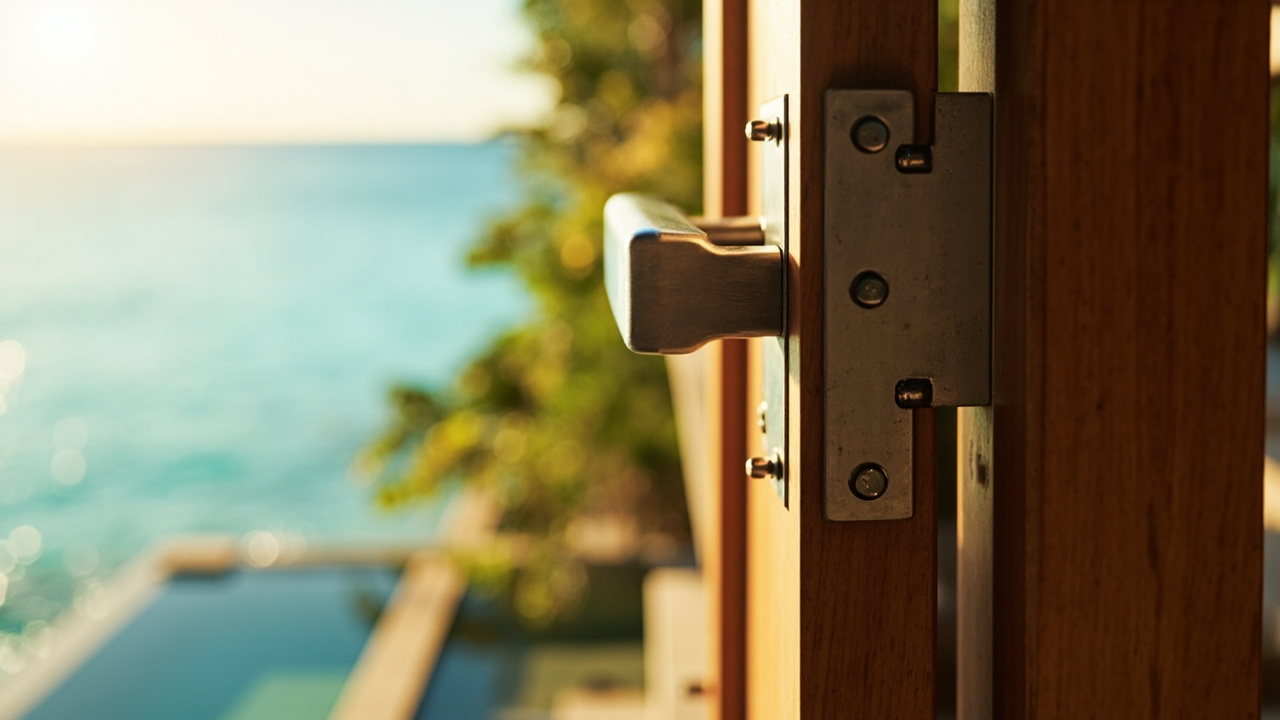 coastal lifestyleGenerated editorial image for Salt-Air-Resistant Materials: a coastal-home detail with durable fitti…
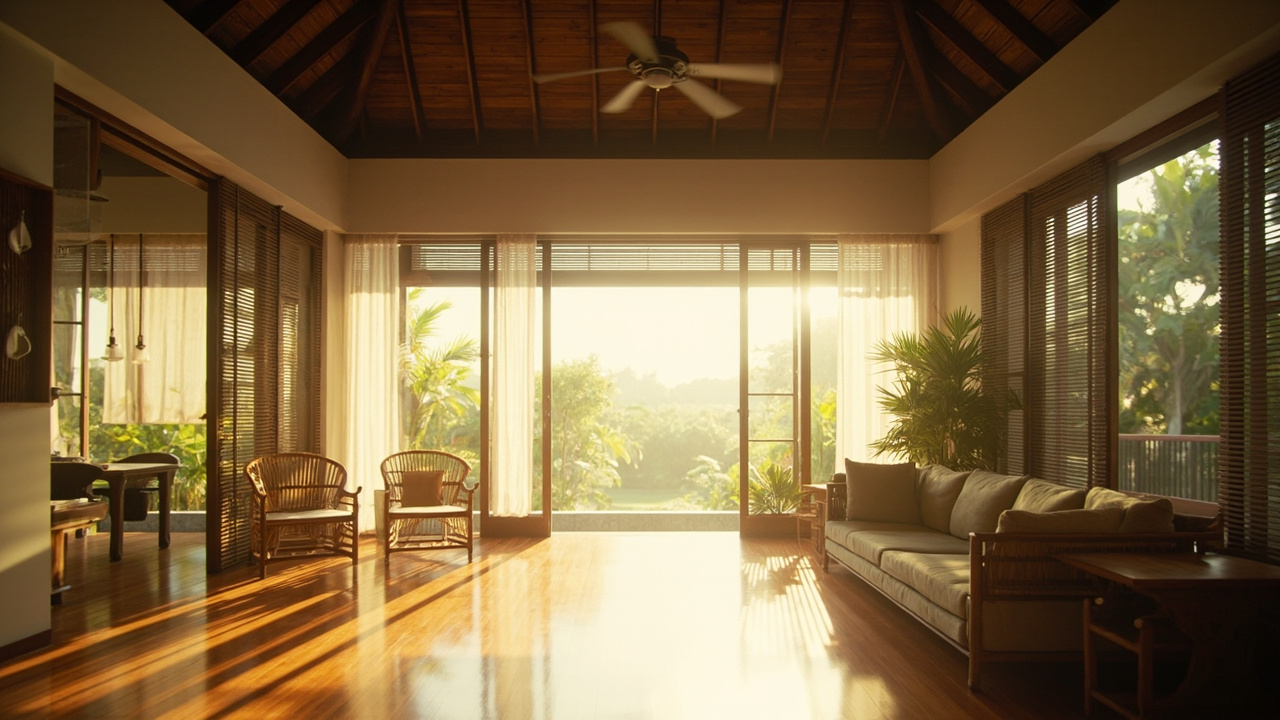 property lifestyleGenerated editorial image for Natural Ventilation: an airy tropical interior with open louvres, ceil…
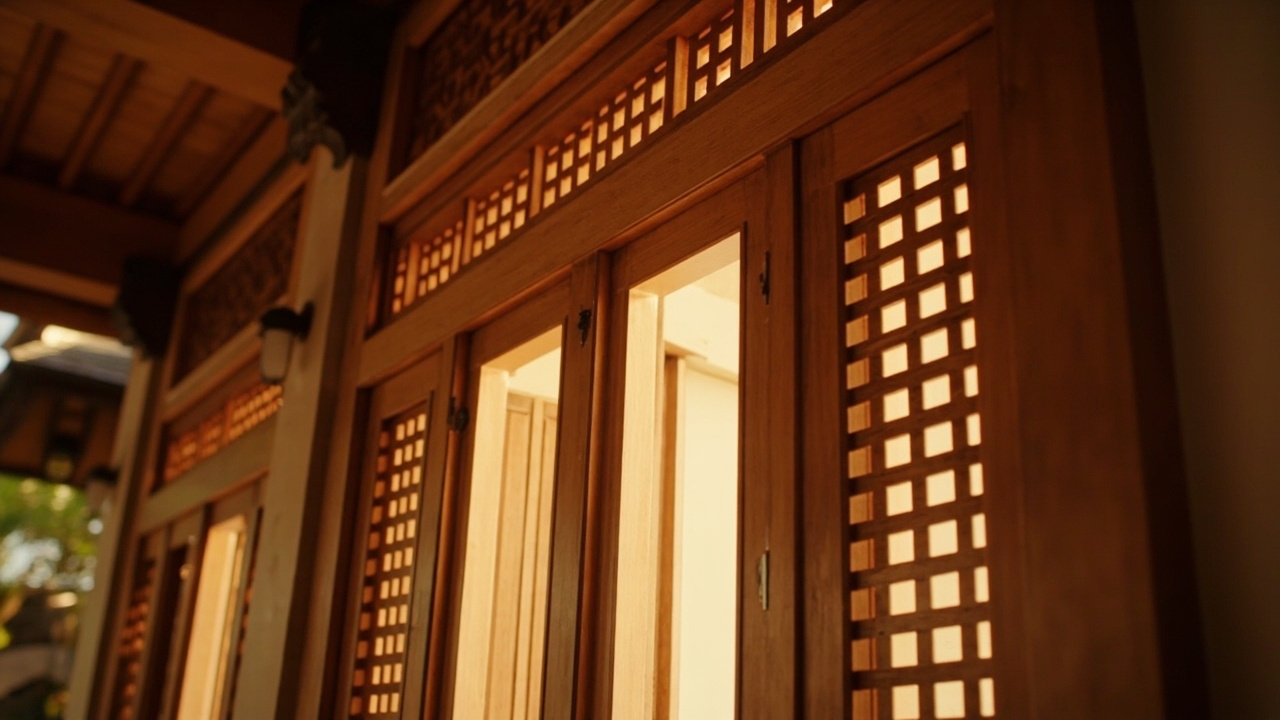 property lifestyleGenerated editorial image for Local Timber Details: a close architectural scene featuring responsibl…